
Kayseri

Highlights within Kayseri
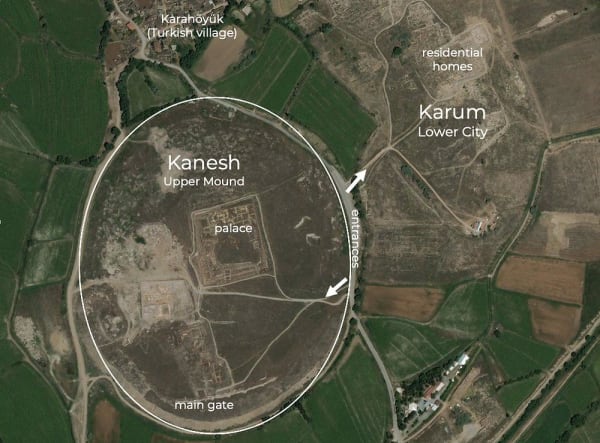
Kültepe Kanesh Karum
Kültepe Kanesh Karum is one of the most important archaeological sites in Anatolia and the birthplace of the first known written records in Türkiye. Dating back nearly 4,000 years, it was the center of the Assyrian Trade Colony Period, where merchants from Mesopotamia established one of the world's earliest international trading settlements. Key Info Location: Kültepe, Kayseri Duration: 1–2 hours Entrance: Paid (Museum Pass accepted) Best Time: Spring, autumn, or daytime in summer Experience Visitors can explore the remains of the ancient city of Kanesh and the adjacent Karum, the Assyrian merchants' trading quarter. Excavations have uncovered houses, streets, warehouses, and more than 23,000 cuneiform clay tablets, revealing detailed information about trade, law, family life, and daily commerce nearly four millennia ago. Highlights Birthplace of the earliest written records in Türkiye Ancient city of Kanesh and Assyrian trading quarter (Karum) Over 23,000 cuneiform clay tablets discovered UNESCO World Heritage Site (inscribed in 2024) One of the world's earliest international trade centers How to Visit Kültepe Kanesh Karum is located about 20 km northeast of Kayseri and is easily reached by private vehicle. It is commonly combined with the Kayseri Archaeological Museum, Kayseri Castle, Hunat Hatun Complex, and Mount Erciyes, making it an essential destination for anyone interested in the origins of writing, trade, and civilization in Anatolia.
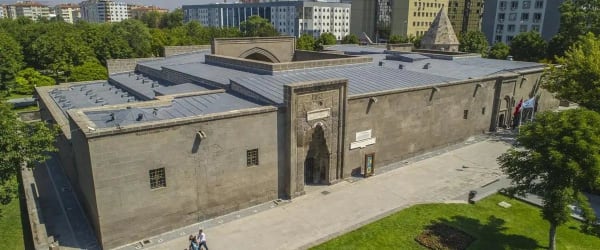
Gevher Nesibe Museum of Medical History
Gevher Nesibe Museum of Medical History is housed within the Gevher Nesibe Darüşşifa and Gıyasiye Medrese, one of the world's earliest medical schools and hospitals. Built in 1206 during the reign of Sultan Gıyaseddin Keyhüsrev I, the complex is considered one of the oldest surviving institutions dedicated to medical education and healthcare. Key Info Location: Kayseri City Center Duration: 45–90 minutes Entrance: Paid (Museum Pass accepted) Best Time: During museum opening hours Experience Visitors can explore restored hospital wards, classrooms, courtyards, and exhibition halls that illustrate the development of medicine in the Seljuk period. Interactive displays, medical instruments, historical manuscripts, and informative exhibits explain how physicians diagnosed and treated patients more than 800 years ago. Highlights One of the world's earliest medical schools and hospitals Built in 1206 during the Seljuk period Historic Darüşşifa (hospital) and medical madrasa Medical history exhibitions and restored treatment rooms Outstanding example of Seljuk architecture How to Visit The museum is located in the center of Kayseri, within walking distance of Hunat Hatun Complex, Kayseri Castle, and the Kayseri Archaeological Museum. It is commonly included in city tours before continuing to Mount Erciyes or the Cappadocia region.
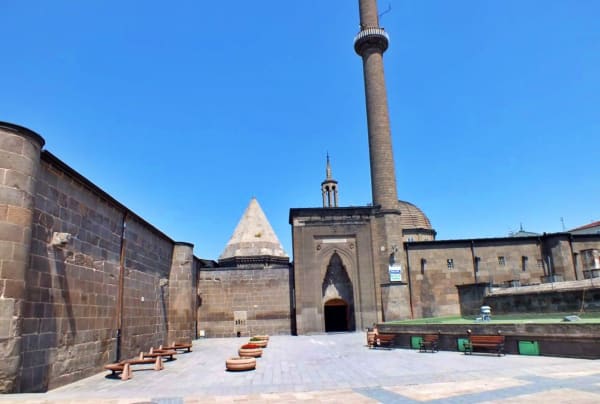
Hunat Hatun Complex
The Hunat Hatun Complex is one of the finest examples of Anatolian Seljuk architecture. Commissioned in 1238 by Mahperi (Hunat) Hatun, the wife of Sultan Alaeddin Keykubad I, the complex includes a mosque, madrasa, bathhouse, and the founder's mausoleum, forming one of Kayseri's most significant historical landmarks. Key Info Location: Kayseri City Center Duration: 45–60 minutes Entrance: Free (some sections may have separate admission) Best Time: Daytime Experience Visitors can admire the beautifully carved stone portals, elegant courtyard, and impressive Seljuk craftsmanship throughout the complex. The madrasa now hosts cultural exhibitions and artisan workshops, while the mosque remains an active place of worship, preserving its original function after nearly eight centuries. Highlights Built in 1238 during the Seljuk period Mosque, madrasa, bathhouse, and mausoleum in one complex Outstanding Seljuk stone craftsmanship Historic cultural and religious center of Kayseri One of Türkiye's finest medieval architectural ensembles How to Visit The Hunat Hatun Complex is located in the heart of Kayseri and is within walking distance of Kayseri Castle, Gevher Nesibe Museum of Medical History, Kayseri Archaeological Museum, and the city's historic bazaars, making it an essential stop on any Kayseri cultural itinerary.
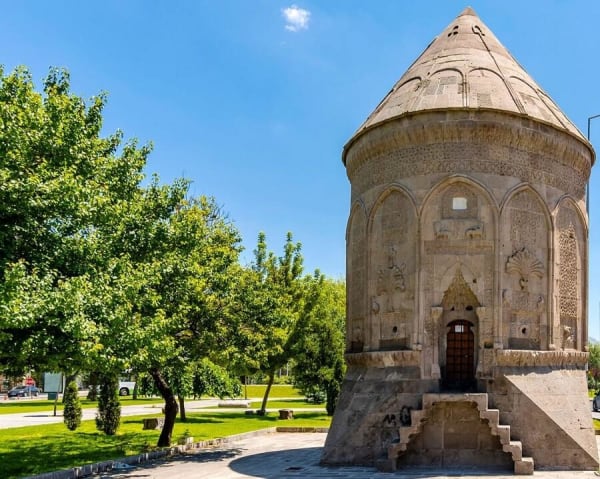
Döner Kümbet
Döner Kümbet is one of the most iconic Seljuk mausoleums in Kayseri and a masterpiece of 13th-century Anatolian stone craftsmanship. Built around 1276 for Şah Cihan (Şah Cihan Hatun), a member of the Seljuk royal family, the monument is famous for its richly decorated cylindrical upper structure, which inspired its name, meaning "Rotating Tomb." Key Info Location: Kayseri City Center Duration: 15–30 minutes Entrance: Free (exterior); interior access may vary Best Time: Daytime Experience Visitors can admire the mausoleum's finely carved stone façade, featuring geometric patterns, floral motifs, animal figures, and intricate Seljuk ornamentation. The combination of an octagonal base and cylindrical upper chamber makes Döner Kümbet one of the most distinctive funerary monuments from the Anatolian Seljuk period. Highlights Built around 1276 during the Seljuk period Mausoleum of Şah Cihan Hatun Magnificent Seljuk stone carvings Distinctive octagonal base and cylindrical upper structure One of Kayseri's most recognizable historic monuments How to Visit Döner Kümbet is located in Kayseri City Center and can easily be explored on foot. It is commonly combined with the Hunat Hatun Complex, Kayseri Castle, Gevher Nesibe Museum of Medical History, and the Kayseri Archaeological Museum, making it an important stop for visitors interested in Seljuk architecture and history.
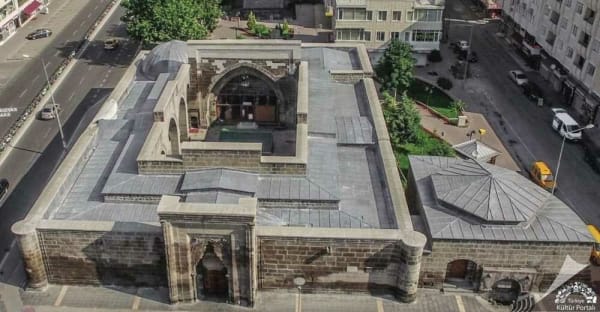
Sahabiye Madrasa
Sahabiye Madrasa is one of the most important educational monuments of the Anatolian Seljuk period. Built in 1267 by Sahip Ata Fahreddin Ali, one of the most influential statesmen of the Seljuk Sultanate of Rum, the madrasa served as a center for higher learning in theology, science, and philosophy. Key Info Location: Kayseri City Center Duration: 20–40 minutes Entrance: Free (may vary depending on current use) Best Time: Daytime Experience The madrasa showcases the elegance of Seljuk architecture with its monumental entrance portal, open courtyard, arcaded galleries, and finely carved stone decorations. Walking through the complex offers insight into medieval education and the architectural sophistication of 13th-century Anatolia. Highlights Built in 1267 during the Seljuk period Founded by Sahip Ata Fahreddin Ali Magnificent carved stone entrance portal Historic center of higher education Outstanding example of Anatolian Seljuk architecture How to Visit Sahabiye Madrasa is located in Kayseri City Center, within walking distance of Hunat Hatun Complex, Kayseri Castle, Gevher Nesibe Museum of Medical History, and Döner Kümbet. It is an excellent stop for visitors exploring Kayseri's rich Seljuk architectural heritage.
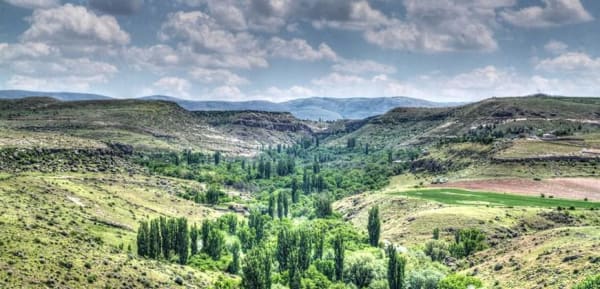
Koramaz Valley
Koramaz Valley is a remarkable cultural landscape east of Kayseri, stretching for approximately 12 km through a series of historic villages, rock-cut settlements, churches, dovecotes, and traditional stone houses. Recognized as a UNESCO World Heritage Site in 2024, the valley preserves thousands of years of continuous human settlement and represents one of the best examples of the interaction between people and nature in Central Anatolia. Key Info Location: East of Kayseri City, Central Anatolia Duration: 2–4 hours Entrance: Free Best Time: Spring and autumn Experience Koramaz Valley offers a unique combination of hiking, history, and traditional village life. Visitors can walk through scenic trails connecting historic settlements, discover rock-cut churches and cave dwellings, and admire the region's distinctive volcanic landscape. Unlike the busier areas of Cappadocia, the valley provides a peaceful and authentic experience with relatively few visitors. Highlights UNESCO World Heritage Site (2024) Historic villages and traditional stone architecture Rock-cut churches, monasteries, and cave dwellings Scenic hiking routes through volcanic landscapes One of Central Anatolia's best-preserved cultural landscapes How to Visit Koramaz Valley is best explored by private vehicle with short walks between villages or as part of a guided cultural tour. It is commonly combined with Kayseri City, Mount Erciyes, Germir, and other historical attractions in the Kayseri region, making it an excellent destination for visitors seeking a quieter alternative to central Cappadocia.
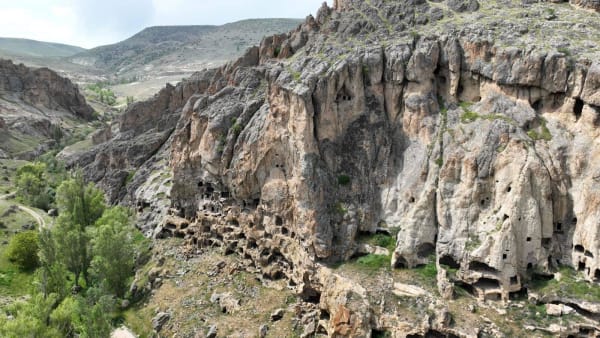
Erdemli Valley
Erdemli Valley is a peaceful historical valley in the Kayseri region, known for its rock-cut churches, cave dwellings, and dramatic volcanic landscape. Less visited than the valleys of central Cappadocia, it offers a quiet setting where nature and history have remained largely untouched. Key Info Location: Yeşilhisar, Kayseri Province Duration: 1–3 hours Entrance: Free Best Time: Spring and autumn Experience Following the valley trail, visitors encounter ancient cave settlements, rock-cut churches, dovecotes, and natural cliffs carved by centuries of erosion. The peaceful surroundings make Erdemli Valley ideal for hiking, photography, and discovering a lesser-known side of Cappadocia away from the crowds. Highlights Historic rock-cut churches and cave dwellings Scenic hiking through volcanic landscapes Traditional dovecotes carved into the cliffs Quiet alternative to central Cappadocia Rich natural and cultural heritage How to Visit Erdemli Valley is best reached by private vehicle from Yeşilhisar. It is commonly combined with Koramaz Valley, Soğanlı Valley, Mount Erciyes, and other historical sites in the Kayseri region, making it an excellent destination for visitors seeking authentic landscapes and early Christian heritage.