
Niğde
Highlights within Niğde
Gümüşler Monastery
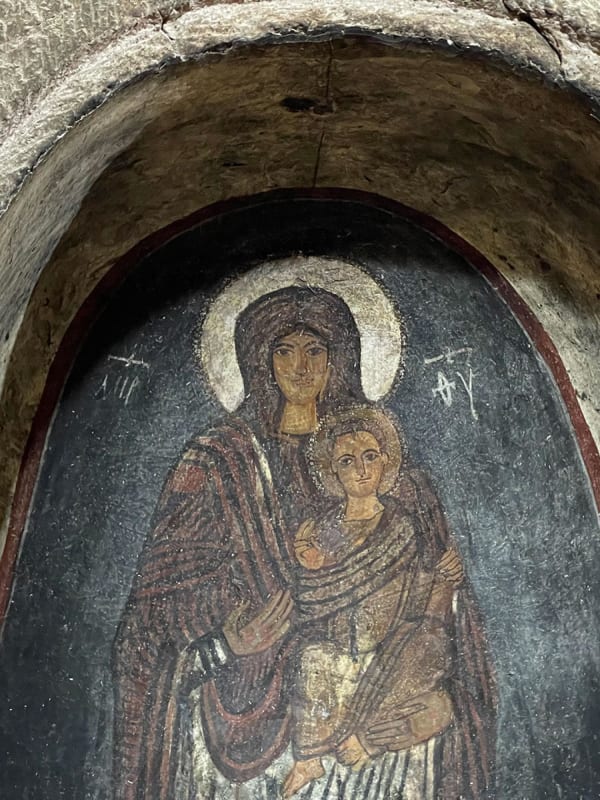
Gümüşler Monastery is the largest and best-preserved rock-cut monastery in the Niğde region and one of the finest Byzantine monastic complexes in Cappadocia. Dating from the 8th–12th centuries, the monastery is famous for its remarkably preserved frescoes and its unique "Smiling Virgin Mary" depiction, one of the most distinctive icons in Byzantine art. Key Info Location: Gümüşler, Niğde (Southern Cappadocia) Duration: 45–60 minutes Entrance: Paid (Museum Pass accepted) Best Time: Daytime Experience Centered around a large open courtyard, the monastery consists of churches, chapels, monks' cells, kitchens, storage rooms, and living quarters carved directly into the volcanic rock. Visitors can admire colorful Byzantine frescoes that remain exceptionally well preserved, making the complex one of the most significant religious monuments in Central Anatolia. Highlights Largest rock-cut monastery in the Niğde region Famous "Smiling Virgin Mary" fresco Well-preserved Byzantine wall paintings Multi-level monastery carved into volcanic rock Outstanding example of Byzantine monastic architecture How to Visit Gümüşler Monastery is located approximately 10 km northeast of Niğde and is easily reached by car. It is often combined with visits to Tyana Ancient City, Köşk Höyük, and other historical sites in the Niğde region, making it an excellent destination for visitors exploring the southern Cappadocia cultural corridor.
Andaval Church (St. Constantine and Helena Church)
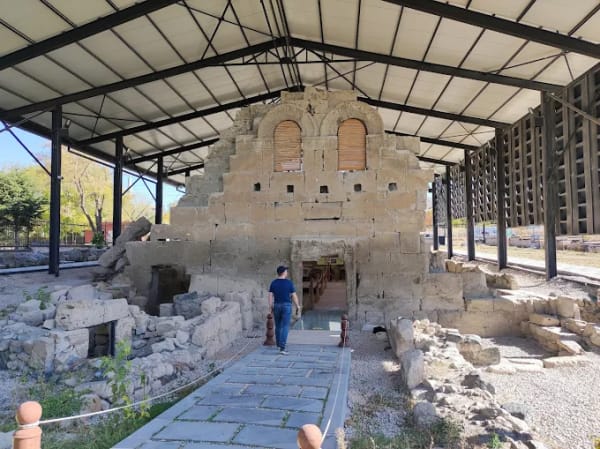
Andaval Church, officially known as the Church of Saints Constantine and Helena, is one of the most important post-Byzantine churches in the Niğde region. Located in Aktaş (historic Andaval), the church was built in 1840 on the foundations of an earlier Byzantine structure and reflects the rich Greek Orthodox heritage of southern Cappadocia. Key Info Location: Aktaş (Andaval), Niğde Duration: 20–40 minutes Entrance: Free (may vary depending on restoration or opening status) Best Time: Daytime Experience The church impresses visitors with its monumental stone architecture, spacious basilica plan, and surviving interior decorations. Although some frescoes have deteriorated over time, the building remains one of the finest examples of 19th-century Greek Orthodox architecture in Central Anatolia and offers insight into the multicultural history of the region. Highlights Dedicated to Saints Constantine and Helena Built in 1840 on earlier Byzantine foundations Monumental stone basilica architecture Historic Greek Orthodox landmark One of Niğde's best-preserved churches How to Visit Andaval Church is located in Aktaş Village, about 8 km from Niğde city center. It is commonly combined with Gümüşler Monastery, Tyana Ancient City, Köşk Höyük, and other cultural attractions in the Niğde region, making it an excellent addition to a southern Cappadocia itinerary.
Eskigümüş Monastery
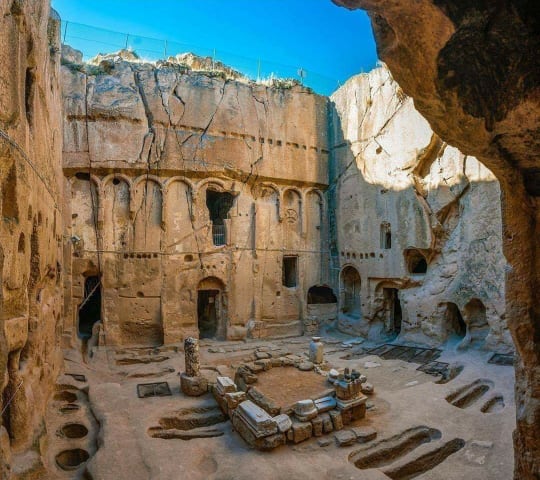
Eskigümüş Monastery is one of the hidden Byzantine monastic complexes in the Niğde region, located near the historic settlement of Eskigümüş. Carved directly into volcanic rock, the monastery served as a religious retreat for monks and preserves the architectural character of Cappadocia's early Christian heritage. Key Info Location: Eskigümüş, Niğde (Southern Cappadocia) Duration: 30–45 minutes Entrance: Paid Best Time: Daytime Experience Visitors can explore a network of rock-cut spaces including chapels, monks' cells, storage rooms, and communal areas arranged around the natural landscape. Although more modest than nearby Gümüşler Monastery, Eskigümüş offers a peaceful atmosphere and an authentic glimpse into monastic life away from the more frequently visited sites. Highlights Historic Byzantine rock-cut monastery Traditional monastic living quarters Quiet and uncrowded atmosphere Authentic early Christian heritage site Scenic setting in the Niğde countryside How to Visit Eskigümüş Monastery is best reached by private vehicle from Niğde. It is commonly combined with Gümüşler Monastery, Andaval Church, Tyana Ancient City, and Köşk Höyük, making it a rewarding stop for visitors exploring the historical and religious heritage of southern Cappadocia.
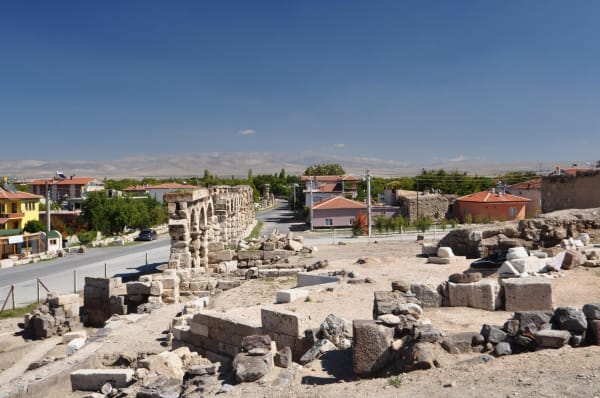
Tyana Ancient City
Tyana Ancient City was one of the most important cities of ancient Cappadocia and a major stop on the trade routes connecting Anatolia with the Mediterranean. Located in present-day Kemerhisar (Niğde), the city flourished during the Hellenistic, Roman, and Byzantine periods and is best known as the birthplace of the philosopher Apollonius of Tyana. Key Info Location: Kemerhisar, Niğde Duration: 1–2 hours Entrance: Free (some archaeological areas may have separate access arrangements) Best Time: Spring and autumn or early morning in summer Experience Visitors can explore the remains of Roman engineering, including the impressive aqueduct, ancient water pools, roads, and archaeological ruins scattered throughout the site. Although much of the ancient city remains underground, Tyana offers a fascinating glimpse into one of Central Anatolia's most influential urban centers. Highlights One of ancient Cappadocia's largest cities Birthplace of Apollonius of Tyana Monumental Roman aqueduct Archaeological remains from the Hellenistic, Roman, and Byzantine periods Important stop on ancient trade routes How to Visit Tyana Ancient City is located in Kemerhisar, approximately 20 km south of Niğde. It is commonly combined with Gümüşler Monastery, Andaval Church, Eskigümüş Monastery, and other historical attractions in the Niğde region, making it an essential destination for visitors interested in the ancient history of southern Cappadocia.
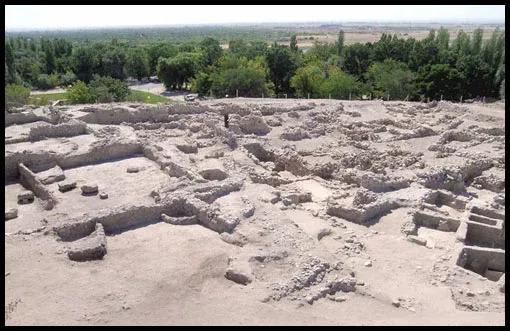
Köşk Höyük
Köşk Höyük is one of Central Anatolia's most significant prehistoric settlements, dating back to the Neolithic and Early Chalcolithic periods (around 6500–5000 BC). Located near Bor in Niğde Province, the site provides valuable evidence of some of the earliest farming communities in Anatolia. Key Info Location Bor, Niğde Duration 30–60 minutes Entrance Paid (Museum Pass accepted, depending on current management) Best Time Daytime Experience Excavations at Köşk Höyük have uncovered remarkably preserved mudbrick houses, storage rooms, ovens, burials beneath house floors, and everyday objects that reveal how people lived more than 7,000 years ago. Many of the original discoveries are exhibited in the Niğde Museum, while the archaeological site itself offers a fascinating insight into early settled life in Anatolia. Highlights One of Anatolia's most important Neolithic settlements Houses dating back over 7,000 years Burials beneath residential floors Significant archaeological discoveries Many artifacts displayed in the Niğde Museum How to Visit Köşk Höyük is located near Bor, approximately 20 km from Niğde city center. It is commonly combined with Niğde Museum, Tyana Ancient City, Tyana Roman Aqueducts, Gümüşler Monastery, and other archaeological sites in the region, making it an essential destination for visitors interested in prehistoric Anatolia.
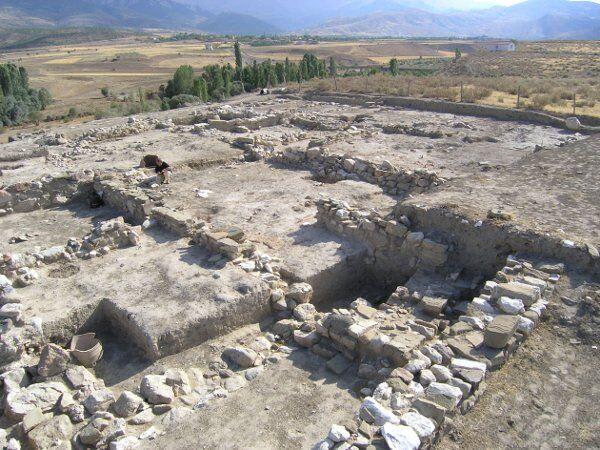
Porsuk Höyük
Porsuk Höyük is one of the most important archaeological mounds in the Niğde region, preserving evidence of continuous settlement from the Bronze Age through the Hittite, Iron Age, Hellenistic, Roman, and Byzantine periods. Its strategic location along ancient trade routes made it an important regional center for thousands of years. Key Info Location: Near Ulukışla, Niğde Duration: 30–60 minutes Entrance: Free (archaeological excavation site) Best Time: Spring or autumn Experience Although much of the site remains under excavation, visitors can observe the archaeological mound where centuries of civilizations are layered beneath the surface. Excavations have revealed fortification walls, residential buildings, pottery, tools, and artifacts that document the long and complex history of southern Cappadocia. Highlights Multi-layered archaeological settlement Evidence from the Bronze Age to the Byzantine period Important Hittite and Iron Age remains Ongoing archaeological excavations Significant site on ancient Anatolian trade routes How to Visit Porsuk Höyük is located near Ulukışla, south of Niğde, and is best reached by private vehicle. It is often combined with Tyana Ancient City, Tyana Roman Aqueducts, Köşk Höyük, Gümüşler Monastery, and Niğde Museum, offering a comprehensive journey through the ancient history of southern Cappadocia.
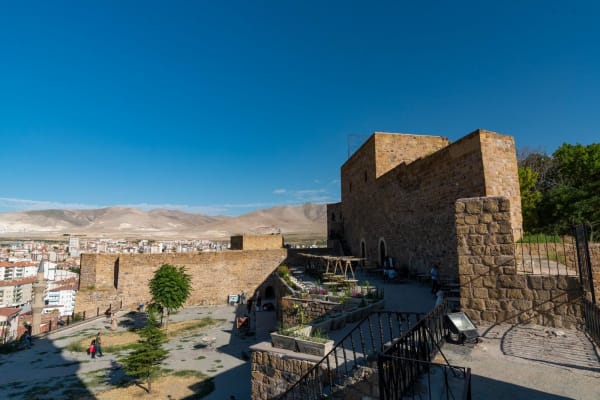
Niğde Castle
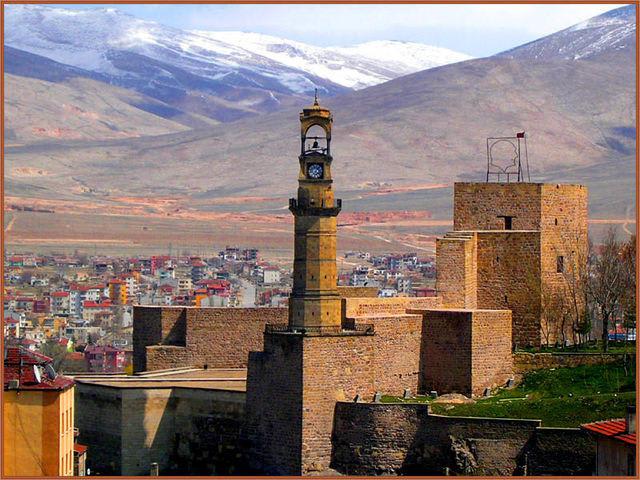
Niğde Castle is one of the city's most recognizable landmarks, rising above the historic center on a natural hill. Originally constructed during the Byzantine period and extensively rebuilt by the Seljuks in the 13th century, the fortress has served as a strategic defensive stronghold for centuries while offering panoramic views over Niğde and the surrounding mountains. Key Info Location: Niğde City Center Duration: 30–60 minutes Entrance: Free Best Time: Sunrise, sunset, or daytime Experience A walk through the castle grounds reveals surviving stone walls, towers, and the historic Clock Tower (Saat Kulesi), one of Niğde's iconic symbols. From the summit, visitors can enjoy sweeping views of the city, the Melendiz Mountains, and, on clear days, the volcanic peaks that shaped the Cappadocian landscape. Highlights Historic Byzantine and Seljuk fortress Panoramic views over Niğde Historic Clock Tower (Saat Kulesi) Well-preserved defensive walls and towers Landmark of Niğde's historic center How to Visit Niğde Castle is located in the heart of Niğde City Center and is easily reached on foot. It is commonly combined with Alaeddin Mosque, Sungur Bey Mosque, Niğde Museum, Gümüşler Monastery, and Tyana Ancient City, making it an excellent starting point for exploring the city's historical heritage.
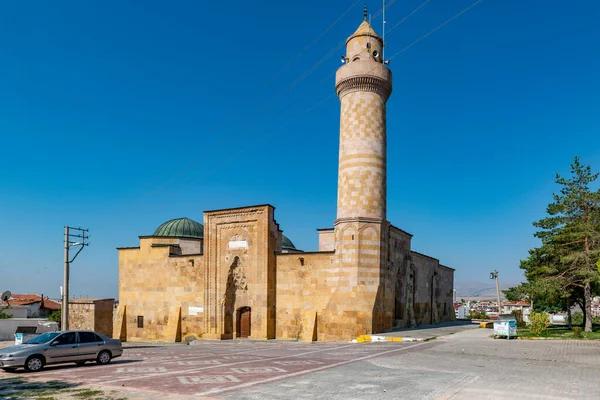
Alaaddin Mosque
Alaaddin Mosque is the most important Seljuk monument in Niğde and one of the finest examples of medieval Islamic architecture in Anatolia. Built in 1223 during the reign of Sultan Alaeddin Keykubad I, the mosque is celebrated for its magnificent stone craftsmanship and richly decorated entrance portal. Key Info Location: Niğde City Center Duration: 20–40 minutes Entrance: Free Best Time: Daytime (outside prayer times for sightseeing) Experience The mosque is admired for its monumental eastern portal, featuring intricate geometric carvings, floral motifs, and exceptional Seljuk stonework. Inside, visitors can appreciate the elegant simplicity of the prayer hall, while the exterior reveals one of the most remarkable architectural achievements of the Anatolian Seljuk period. According to local tradition, sunlight creates the silhouette of a woman's face on the main portal under specific lighting conditions, adding a unique cultural story to the monument. Highlights Built in 1223 during the Seljuk period Magnificent carved stone entrance portal Masterpiece of Anatolian Seljuk architecture Famous "Woman's Face" light phenomenon on the portal One of Niğde's most iconic historical landmarks How to Visit Alaaddin Mosque is located beside Niğde Castle in the historic city center. It is commonly visited together with Niğde Castle, Sungur Bey Mosque, Niğde Museum, and the city's traditional streets, making it an essential stop for visitors interested in Seljuk architecture and medieval Anatolian history.
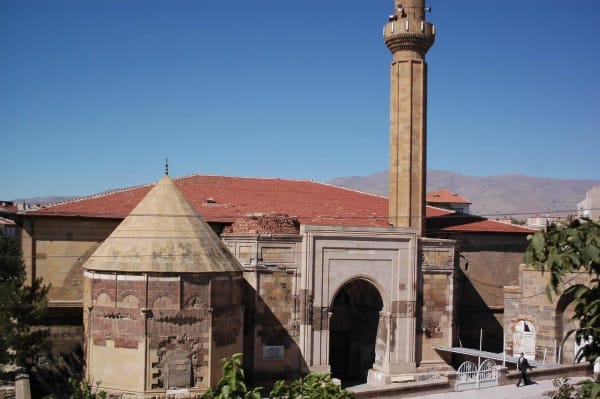
Sungur Bey Mosque
Sungur Bey Mosque is one of Niğde's most important medieval monuments, built in 1335 during the Ilkhanid period by Governor Sungur Bey. The mosque is renowned for its elegant stone craftsmanship, richly decorated entrance portal, and the architectural transition it represents between the Seljuk and early Ottoman eras. Key Info Location: Niğde City Center Duration: 20–30 minutes Entrance: Free Best Time: Daytime (outside prayer times for sightseeing) Experience Visitors can admire the mosque's finely carved stone façade, geometric decorations, and beautifully crafted entrance portal. Inside, the spacious prayer hall reflects the refined architectural style of the 14th century, while the surrounding historic neighborhood offers a glimpse into Niğde's rich cultural heritage. Highlights Built in 1335 during the Ilkhanid period Beautiful carved stone entrance portal Blend of Seljuk and early Ottoman architectural influences One of Niğde's finest medieval monuments Historic landmark in the city center How to Visit Sungur Bey Mosque is located within walking distance of Niğde Castle and Alaaddin Mosque in the historic center of Niğde. It is commonly combined with visits to Niğde Museum, the city's traditional streets, and nearby historical landmarks, making it an essential stop for those exploring the architectural heritage of southern Cappadocia.
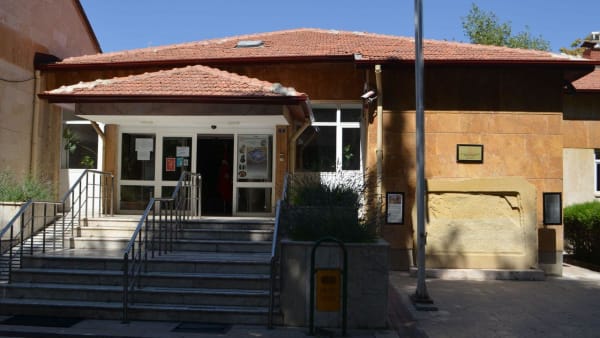
Niğde Museum
Niğde Museum is one of Türkiye's most important regional archaeology museums, showcasing thousands of years of history from the Neolithic period to the Ottoman era. Its outstanding collections include artifacts from Tyana, Köşk Höyük, Porsuk Höyük, Gümüşler Monastery, and many other archaeological sites across the Niğde region. Key Info Location: Niğde City Center Duration: 1–2 hours Entrance: Paid (Museum Pass accepted) Best Time: During museum opening hours Experience The museum offers a chronological journey through Central Anatolia's rich past, featuring prehistoric pottery, Hittite artifacts, Roman sculptures, Byzantine fresco fragments, Seljuk and Ottoman collections, coins, inscriptions, and ethnographic exhibits. One of its most famous displays is the well-preserved Byzantine mummy, making the museum a must-visit destination for history enthusiasts. Highlights One of Türkiye's leading regional archaeology museums Famous Byzantine mummy exhibition Artifacts from Tyana, Köşk Höyük, and Porsuk Höyük Roman, Byzantine, Seljuk, and Ottoman collections Excellent introduction to the history of the Niğde region How to Visit Niğde Museum is located in the heart of Niğde City Center and is easily accessible on foot or by car. It is commonly combined with Niğde Castle, Alaaddin Mosque, Sungur Bey Mosque, Gümüşler Monastery, and Tyana Ancient City, making it an ideal starting point for exploring the historical heritage of southern Cappadocia.